
Top 10 Tea Varieties to Try in 2025

Tea is more than just a beverage—it’s a journey through history, culture, and wellness. Across centuries, tea has influenced traditions, rituals, and even trade routes. From the misty hills of China to the sprawling tea gardens of India, tea has connected civilizations through flavor, health, and social experience.
Whether you’re a casual sipper or a tea connoisseur, exploring new teas can transform your daily routine into a sensory adventure. In this blog, we’ll explore the Top 10 Tea Varieties to Try in 2025, delving into their history, flavors, health benefits, brewing techniques, and cultural significance, so you can enjoy every cup to the fullest.
1. Tea Varietie:Matcha Green Tea
History:
Matcha is a finely powdered green tea originating from Japan, with roots tracing back to the 12th century. Buddhist monks brought it from China and used it during meditation to enhance alertness and focus. Over time, matcha became central to Japanese tea ceremonies, symbolizing mindfulness, respect, and harmony.
Flavor Profile:
Vibrant, earthy, slightly sweet, with a creamy and smooth texture. Matcha has a natural umami taste, often described as vegetal but balanced with a delicate sweetness.
Health Benefits:
-
Rich in catechins and antioxidants for fighting free radicals
-
Supports weight management and boosts metabolism
-
Enhances mental focus and cognitive function
-
Promotes heart health and reduces inflammation
Brewing Tip:
Whisk 1–2 teaspoons of matcha powder in hot water (75–80°C) until frothy. For a creamy variation, add milk or a plant-based alternative.
Fun Fact:
Because matcha uses the entire leaf, it provides more nutrients than traditional steeped green tea.
Cultural Note:
Matcha preparation is an art form. The Japanese tea ceremony, called chanoyu, focuses not just on drinking tea but on aesthetics, etiquette, and mindfulness.
2. Tea Varieties:Oolong Tea
History:
Oolong tea is partially oxidized, lying between green and black tea in color and flavor. Originating from China’s Fujian and Guangdong provinces, the name “Oolong” means “black dragon,” inspired by the twisted shape of its leaves. It has been a part of Chinese tea culture for centuries and is integral to traditional Gongfu tea ceremonies.
Flavor Profile:
Oolong tea offers a complex flavor spectrum: floral, fruity, and lightly roasted, with a smooth and lingering finish. Each variety presents subtle differences depending on the region and processing style.
Health Benefits:
-
Aids digestion and boosts metabolism
-
Helps regulate cholesterol levels
-
Supports heart health
-
May assist in weight management
Brewing Tip:
Steep 3–5 minutes in 90°C water. Multiple infusions are recommended, as each steeping releases new flavors.
Fun Fact:
Some premium oolong teas are hand-twisted leaf by leaf to preserve aromatic compounds, a labor-intensive process that enhances quality.
Cultural Note:
In Chinese culture, oolong tea is often enjoyed slowly, with small cups, focusing on aroma, taste, and relaxation.
3. Tea Varieties:Chai (Masala Tea)
History:
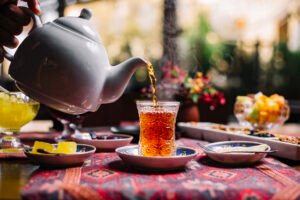
Chai, meaning “tea” in Hindi, is India’s iconic spiced tea. Blending black tea with cardamom, ginger, cinnamon, cloves, and other regional spices, chai has been consumed for centuries. Its recipe varies from region to region, reflecting local flavors and traditions.
Flavor Profile:
Bold, aromatic, warm, and spicy, chai combines the robustness of black tea with sweet, earthy spices.
Health Benefits:
-
Ginger aids digestion and reduces nausea
-
Cardamom and cinnamon help regulate blood sugar
-
Cloves have antibacterial properties
-
Boosts immunity naturally
Brewing Tip:
Boil black tea with fresh or powdered spices, add milk, and sweeten with sugar or honey. Adjust spice levels according to taste.
Fun Fact:
Chai is often consumed with breakfast or as an afternoon refreshment and is deeply embedded in Indian hospitality traditions.
Cultural Note:
In India, chai stalls (chaiwalas) are social hubs where people gather, discuss daily life, and share community news.
4.Tea Varieties:White Tea
History:
White tea, originating from China’s Fujian province, is the least processed tea. It’s harvested from young leaves and unopened buds, which gives it its subtle flavor. Historically, white tea was reserved for royalty due to its rarity and delicate processing.
Flavor Profile:
Subtle, sweet, and delicate, white tea has a light, refreshing taste. The aroma is gentle, often with floral or fruity undertones.
Health Benefits:
-
High in antioxidants for skin and immune support
-
Reduces inflammation
-
Supports heart health
-
Gentle on digestion
Brewing Tip:
Steep 2–5 minutes in water at 75–85°C. Avoid boiling water to maintain the delicate flavors.
Fun Fact:
Silver Needle, one of the most prized white teas, is harvested once a year and consists of only unopened buds.
Cultural Note:
In ancient China, white tea was often presented as a gift to show respect and honor.
5. Tea Varieties:Herbal Tea
History:
Herbal teas are made from herbs, flowers, and spices instead of Camellia sinensis leaves. Chamomile, peppermint, and hibiscus have been consumed for centuries for their medicinal properties.
Flavor Profile:
Varies depending on ingredients: fruity, floral, minty, or earthy. They are naturally caffeine-free, making them ideal for relaxation.
Health Benefits:
-
Chamomile promotes sleep and relaxation
-
Peppermint aids digestion and soothes stomach discomfort
-
Hibiscus supports blood pressure regulation and cardiovascular health
Brewing Tip:
Steep 5–10 minutes in boiling water to release full flavor and benefits.
Fun Fact:
Herbal teas were used in traditional medicine before modern pharmaceuticals.
Cultural Note:
Many herbal teas are consumed as part of wellness rituals worldwide, from Moroccan mint tea to European chamomile blends.
6.Tea Varieties:Pu-erh Tea
History:
Pu-erh is a fermented tea from China’s Yunnan province. Its aging process can last decades, developing deep, earthy flavors similar to fine wine. Pu-erh was historically traded along ancient tea routes and valued for its unique qualities.
Flavor Profile:
Earthy, rich, smooth, with a slightly sweet undertone.
Health Benefits:
-
Supports digestion and gut health
-
Reduces cholesterol levels
-
May aid in weight management
-
Contains antioxidants
Brewing Tip:
Rinse leaves briefly before steeping. Brew multiple times to fully release flavor.
Fun Fact:
Pu-erh is pressed into cakes or bricks for aging and storage.
Cultural Note:
Pu-erh tea is considered a ceremonial and social beverage in China, often shared during important gatherings.
7. Tea Varieties:Earl Grey
History:
Earl Grey is black tea flavored with bergamot oil, named after British Prime Minister Charles Grey in the 1830s. It became an essential part of English tea culture.
Flavor Profile:
Citrusy, aromatic, smooth, with slight floral notes.
Health Benefits:
-
Supports heart health
-
Improves mental alertness
-
Bergamot adds stress-reducing properties
Brewing Tip:
Brew 3–5 minutes and serve with biscuits or scones.
Fun Fact:
Some blends include lavender or cornflower petals for additional aroma and visual appeal.
Cultural Note:
Earl Grey is traditionally served in English afternoon tea, often paired with light snacks or pastries.
8. Tea Varieties:Rooibos Tea
History:
Rooibos comes from South Africa’s Cederberg region. Indigenous people have used it for centuries for its medicinal properties.
Flavor Profile:
Sweet, nutty, smooth, caffeine-free, making it ideal for day or night consumption.
Health Benefits:
-
Reduces inflammation
-
Gentle on digestion
-
Rich in minerals like calcium and magnesium
-
Promotes heart health
Brewing Tip:
Steep 5–7 minutes; can be enjoyed hot, cold, or as a latte.
Fun Fact:
Rooibos is sometimes called “red bush tea” due to its deep reddish color.
Cultural Note:
In South Africa, Rooibos is part of traditional herbal remedies and modern tea culture alike.
9. Tea Varieties:Genmaicha Tea
History:
Genmaicha combines green tea with roasted brown rice. Originally, it was a “people’s tea” to stretch expensive tea leaves. Today, it’s cherished for its nutty, comforting flavor.
Flavor Profile:
Nutty, toasty, slightly sweet, and warming.
Health Benefits:
-
Antioxidants from green tea
-
Low caffeine
-
Soothing and comforting for digestion
Brewing Tip:
Use 1–2 teaspoons per cup; steep in 80°C water for 2–3 minutes.
Fun Fact:
Sometimes called “popcorn tea” because the roasted rice pops while being processed.
Cultural Note:
Genmaicha is commonly consumed as a daily tea in Japanese households for its mild flavor.
10. Tea Varieties :Jasmine Tea
History:
Jasmine tea combines green or white tea with jasmine blossoms. China has been producing scented jasmine tea for centuries, often using multiple scenting processes to achieve a rich aroma.
Flavor Profile:
Floral, fragrant, slightly sweet, and calming.
Health Benefits:
-
Reduces stress and promotes relaxation
-
Rich in antioxidants
-
Supports immunity
Brewing Tip:
Steep 2–3 minutes in 75–80°C water. Over-steeping can result in bitterness.
Fun Fact:
Jasmine tea is traditionally served during meditation or quiet moments due to its calming effects.
Cultural Note:
In China, jasmine tea is considered a tea of hospitality, often served to guests.
Why You Should Explore the Top 10 Tea Varieties to Try in 2025

Tea has shaped human culture for centuries. The Top 10 Tea Varieties to Try in 2025 offer a mix of flavors, health benefits, and cultural experiences. From energizing matcha to calming jasmine, there’s a tea for every mood, occasion, and health goal.
if you want to see our menu,click here
Brewing Tips for the Perfect Cup
-
Use correct water temperature for each tea type.
-
Steep for recommended time to avoid bitterness.
-
Choose loose-leaf tea for richer flavor.
-
Experiment with spices, milk, or lemon for variety.
Final Thoughts
Exploring the Top 10 Tea Varieties to Try in 2025 is not just about taste—it’s about history, wellness, and ritual. Start your tea journey today, savor the aroma, and enjoy the centuries of tradition in every cup.